
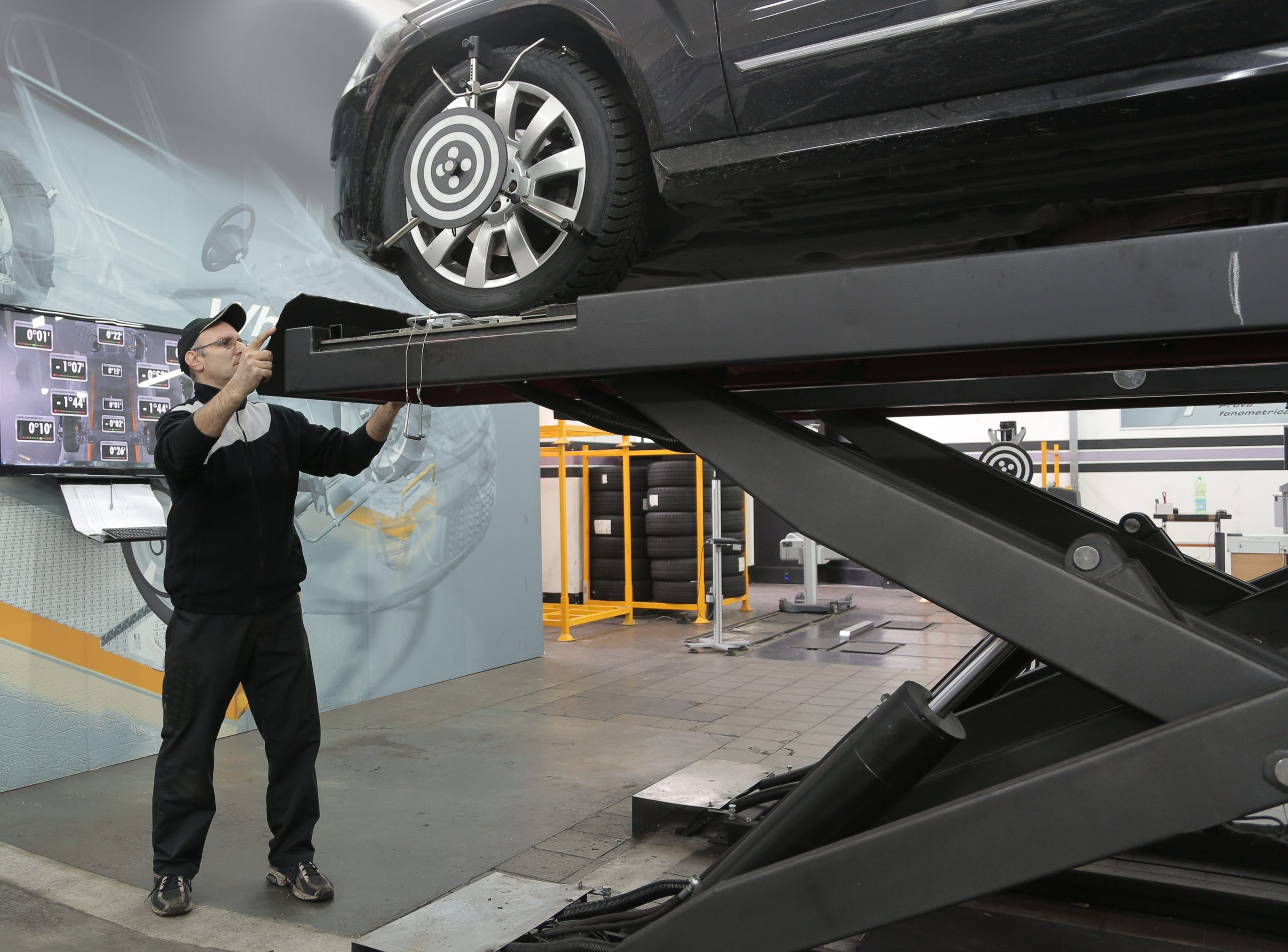
In the realm of vehicle maintenance, automotive repair emerges as a beacon of reliability, efficiency, and innovation, offering a multitude of benefits to both vehicle owners and the automotive industry as a whole. While often overshadowed by concerns and challenges, the positive aspects of automotive repair deserve recognition for their role in ensuring safe, reliable, and sustainable transportation.
Automotive repair encompasses a wide range of services, from routine maintenance tasks to complex diagnostic procedures, aimed at addressing mechanical issues and restoring vehicles to optimal functionality. This breadth of services provides vehicle owners with peace of mind, knowing that their automobiles are in capable hands and will receive the care and attention they deserve.
One of the most significant benefits of automotive repair is its role in prolonging the lifespan of vehicles. Through regular maintenance and timely repairs, automotive repair technicians help vehicles remain in peak condition for longer periods, reducing the need for premature replacement and minimizing environmental impact. This commitment to longevity aligns with broader sustainability goals and promotes responsible consumption habits among vehicle owners.
Moreover, automotive repair fosters economic growth and employment opportunities within local communities. Repair facilities, parts suppliers, and related businesses contribute to job creation and economic vitality, supporting livelihoods and driving economic activity. Additionally, the availability of reliable automotive repair services encourages consumer confidence and fosters a sense of trust and loyalty between repair facilities and their customers.
Another positive aspect of automotive repair is its role in promoting safety and accident prevention on the road. Well-maintained vehicles are less likely to experience mechanical failures or breakdowns, reducing the risk of accidents and ensuring the safety of drivers, passengers, and pedestrians. By addressing potential safety hazards and performing preventive maintenance, automotive repair technicians play a vital role in safeguarding lives and enhancing road safety.
Furthermore, automotive repair fosters innovation and technological advancement within the automotive industry. As vehicles become increasingly complex and technologically advanced, automotive repair technicians must stay abreast of the latest developments and techniques to effectively diagnose and repair modern vehicles. This ongoing pursuit of knowledge and skill enhancement drives innovation and pushes the boundaries of what is possible in automotive repair.
Additionally, automotive repair encourages a culture of responsibility and stewardship among vehicle owners, empowering them to take an active role in maintaining their automobiles and minimizing environmental impact. By educating consumers about the importance of regular maintenance and sustainable driving practices, automotive repair facilities empower individuals to make informed decisions and adopt eco-friendly behaviors that benefit both their vehicles and the planet.
Moreover, automotive repair fosters a sense of community and camaraderie among enthusiasts and hobbyists who share a passion for automotive culture. Repair facilities often serve as gathering places where like-minded individuals can exchange knowledge, swap stories, and collaborate on projects, fostering a sense of belonging and camaraderie within the automotive community.
In conclusion, the positive aspects of automotive repair are numerous and far-reaching, encompassing benefits such as longevity, economic growth, safety, innovation, and community engagement. By recognizing and embracing these positive attributes, we can gain a deeper appreciation for the vital role that automotive repair plays in our lives and society. Whether it’s ensuring the longevity of our vehicles, promoting road safety, or fostering innovation and collaboration, automotive repair is an essential component of the modern automotive landscape that deserves recognition and appreciation.